

Kara’s Journey: Navigating Pulmonary Arterial Hypertension (PAH)
Background on PAH Pulmonary Arterial Hypertension (PAH) is a serious condition involving high blood pressure in the arteries of the lungs. As these arteries become narrow and stiff, the right side of the heart is forced to work significantly harder, which can lead to right-sided heart failure. Symptoms include shortness of breath, fatigue, dizziness, and swelling. Because these symptoms often mimic other cardiovascular or respiratory issues, diagnosis requires specialized testing, such as echocardiograms and cardiac catheterization. While there is no known cure, modern treatments can manage symptoms and slow the progression of the disease.
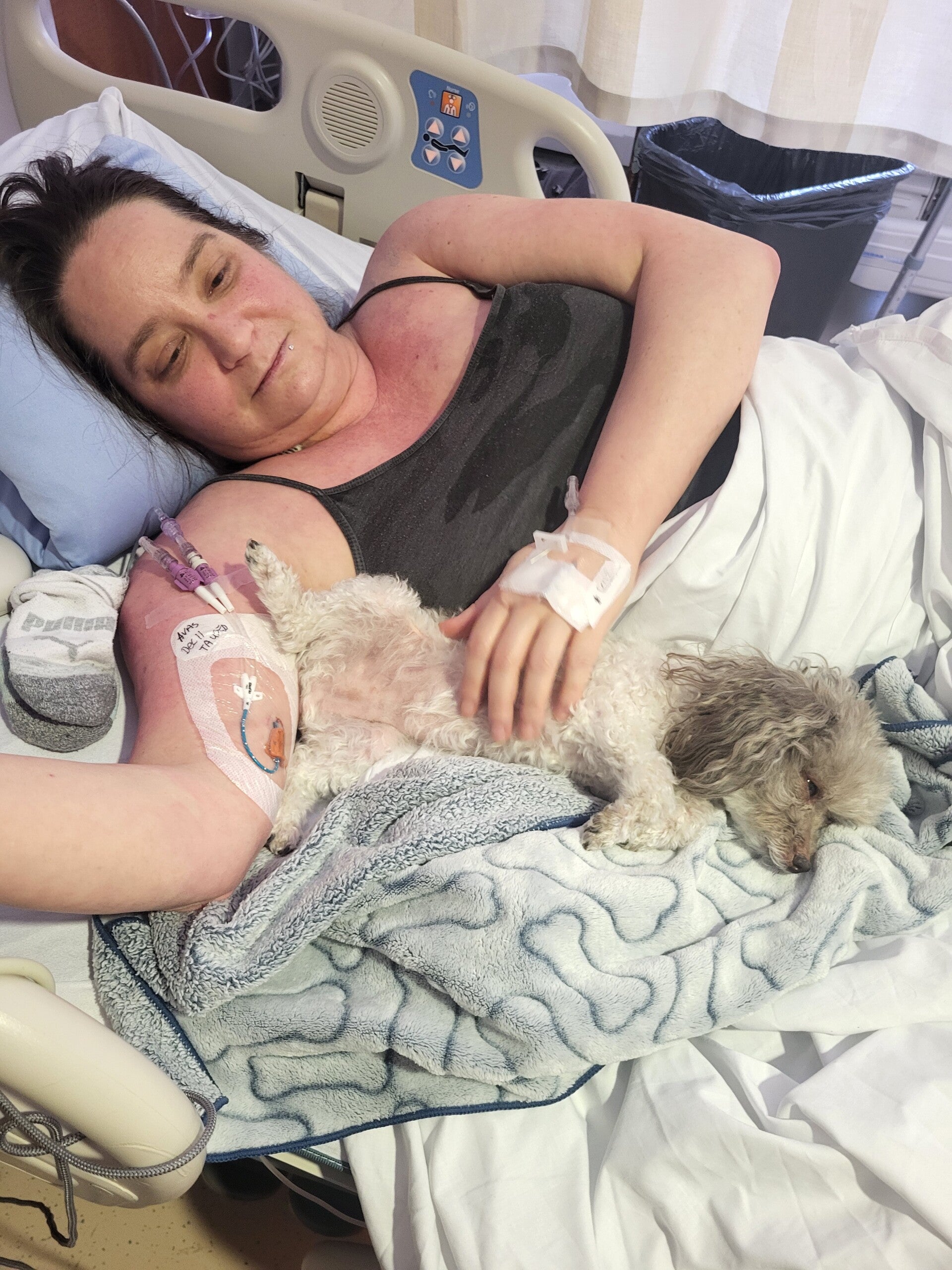
The pic below was 24 hours after admitted
Kara’s Diagnosis and Hospitalization
Kara’s Diagnosis and Hospitalization
For nearly two years, Kara sought answers as she dealt with chronic back pain and a progressive purple discoloration of her legs and body. On December 11th, she was admitted to the Peter Lougheed Centre in Calgary, a world-leading facility for the treatment of this disease.
Kara is currently under the care of a team of five specialists. Her condition is severe; while a healthy heart typically pumps 5 liters of blood per minute, Kara’s heart was pumping less than 2 liters. Due to the advanced nature of her case, the lead specialist has requested to use her case for medical research.

Treatment and Progress
Kara has begun an aggressive "triple therapy" regimen consisting of two oral medications and a third medication delivered continuously via a central line and pump. If these do not produce the necessary results, a fourth medication (administered via injection every two weeks) will be added. If medical management fails, she will be placed on the lung transplant list.
The central line and pump will be a permanent part of Kara's life. She is currently undergoing training to manage her equipment, including learning how to maintain the line and mix her medications.
As doctors increase her medication levels to restore oxygen and blood flow, Kara is experiencing significant headaches. This is a common reaction as the brain adjusts to receiving proper oxygen levels after being deprived for a long period.
The pic below was the night before they admitted her,

The pic above was 2 days before she was admitted
Transitioning Home
While Kara is hoping for a day pass for Christmas, the current goal is a discharge date of December 30th. To return home safely, she requires several specialized modifications to her living environment:
-
A dedicated refrigerator for medication storage.
-
A sterile workspace (cupboard with a stainless steel top) for mixing her medication, and to store her supplies.
-
Reliable transportation for frequent follow-up appointments with her specialist team in Calgary.